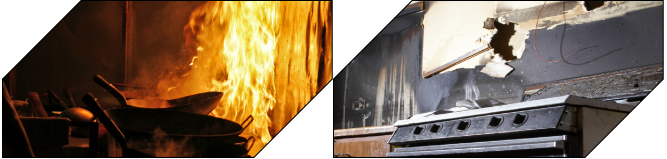
Dr. Pilette was retained to determine the origin and cause of the fire, and in turn establish whether the tenant was negligent by leaving a burner unattended. The fire scene was examined to determine the extent of structural fire damage to the apartment rental unit. The greatest fire damages were in the kitchen, where the kitchen cabinets above the electric range sustained greater charring as a result of the fire. A well defined burn pattern on the walls adjacent to the range appliance indicated that the fire originated from the appliance. The control panel of the range was severely damaged by the fire.
A cooking pot was found on the right rear burner. The pot was not extensively damaged and did not exhibit the typical exterior surface heat damage resulting from over heating. The burner knobs on the control panel were all destroyed and did not assist in determining whether any electric burners had been left on. The appliance was further examined by removing the rear panel to expose the controls and wiring. Examination of the internal mechanism of each burner switch revealed that all burners were in the OFF position. Further examination of the rear of the appliance showed a well defined "V" burn pattern pointing downwards and to an area where a 120-volt cable was rubbing against a sharp metal edge. Evidence of electrical arcing was found between the 120-volt cable and the metal.
The findings of the investigation confirmed that the origin of the fire was indeed at the kitchen range. The cause of the fire was found to be as a result of electrical arcing along the internal wiring of the owner supplied electric range. The tenant was erroneously accused of leaving the burner on.